Narrative Theory
Narrative is a spoken or written events that link together to form a story. We need narratives to make sense of things for example a film without a plot would be difficult to understand and will mislead the audience. Narrative theory is also a type of thinking that aims to explain narrative structures and their relationships with different genre-related factors.
Vladimir Prop Theory
Vladimir Propp is a Russian critic who published his morphology of the Folk Tale in 1928.
Prop's Theory is in the layout of a traditional Beginning, middle and end which is use mostly by Disney film makers
When following Vladimir Prop's Theory, characters all tend to play different roles such:
Vladimir Propp is a Russian critic who published his morphology of the Folk Tale in 1928.
Prop's Theory is in the layout of a traditional Beginning, middle and end which is use mostly by Disney film makers
When following Vladimir Prop's Theory, characters all tend to play different roles such:
The Hero - A character that often seeks to accomplish something. E.g. Stop earth from being destroyed.

The Villain - Who is there to either accomplish something or block something from being done like a hero's guest for example.
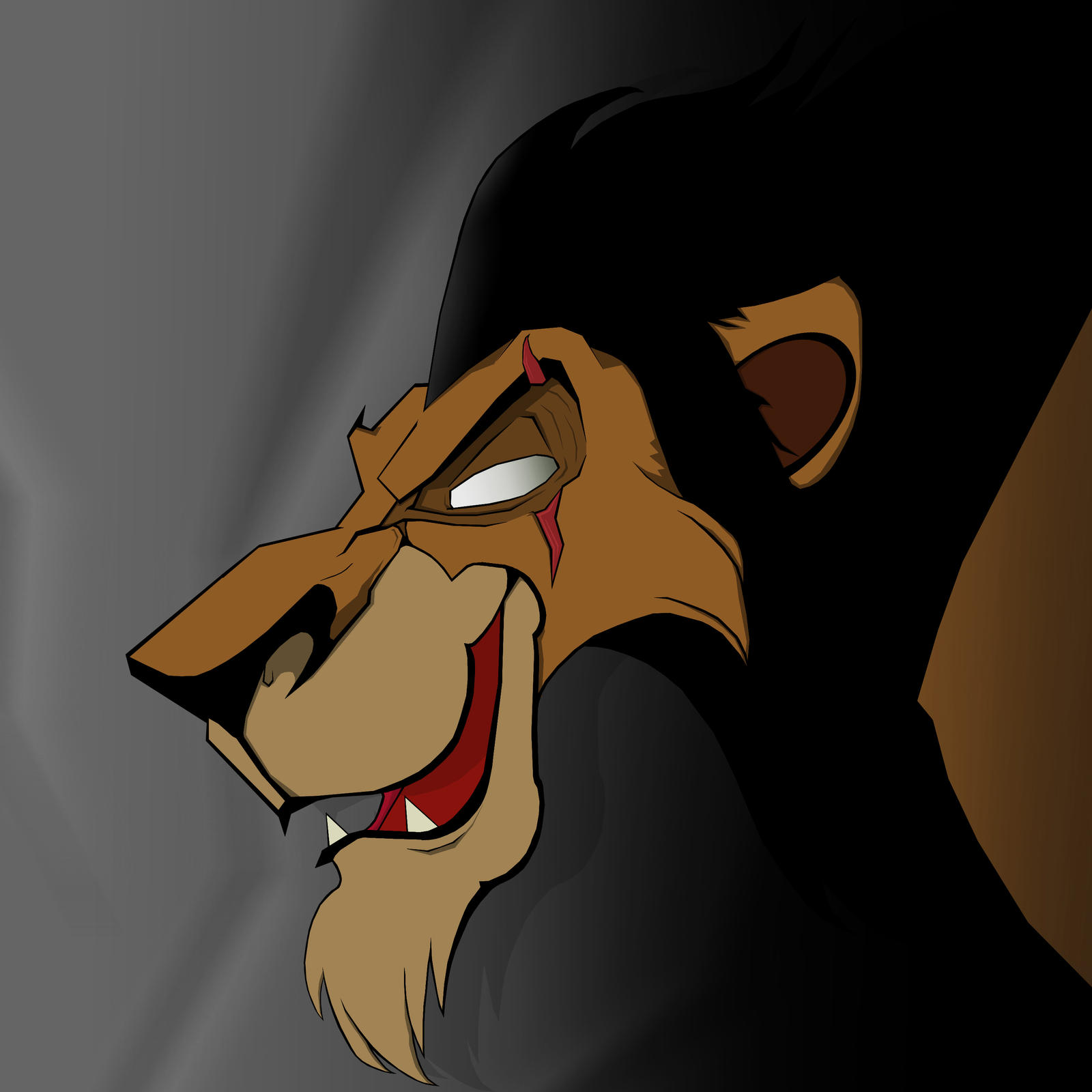
The Donor - Who provides usually the hero with a object normally containing magical powers. E.g. The ring gives Green Lantern his Magical powers.
The Dispatcher - Sends the hero on He's or She's Quest.

False Hero - Who may interrupt the hero's success by making false claims such as taking credit for something the hero has done to look better.

The Helper - The helper is the person that aids the hero when he is in distress for example.

The Princess - Is often the reward for the hero's hard work and is normally who the villain plots to receive in-order to gain an upper hand over the Hero.


Princesses Father - Rewards the hero for his efforts.

My version of Actions that are functions of a narrative.
- 13 Police officers search town for hero.
- Hero runs into woods.
- Police officers spot and pursues hero into woods.
- Hero Falls and damages knee.
- Mystery helper drags hero to a hidden entrance of a tree.
- Police run past tree in search of the hero.
5 Steps which Vladimir Prop theory and other films follow
Complication
- Villain harms a member of a community or family.
- A member of that community or family seeks revenge upon the villain.
- A hero is sent to by the dispatcher to get/do what the dispatcher wants.
- The hero often actions against the villain.
Transference
- The Hero leaves Town.
- The Hero is Tested by donor and receives a helper or magical gift.
- The Hero arrives at the place he is sent to complete his quest.
Struggle
- Hero and Villain get in a struggle.
- The Hero is branded (Could be seen as a good/bad guy)
- The villain is over ruled.
- The disordered is then settled
Return
- The Hero returns to town for example.
- Hero is pursued by villagers.
- The hero finds a way to escape or is rescued by helper.
- The hero arrives home and is not recognized. (Hated by others leaving him feeling alienated)
- The False hero receives the hero's reward.
- Dispatcher sets a quest/task for the hero to accomplish.
- Task/Quest is completed by the hero.
Recognition
- Hero gains recognition
- False Hero is found out
- False hero is then punished
- Hero obtains reward (Princess)
Todorov's theory
This gives you more of an complex interpretation of equilibrium and disequilibrium which is used to influence the narrative whilst also allowing a more complex interpretation of films text with his theory of equilbrium.
Compared to Props, Todorov theory is a lot simpler while allowing more of an complex interpretation of film texts within his theory as a way to balance or unbalance the narrative of the film.
Conclusion
From my research of the different theorys and the steps which come with them, I've decided i will be using Prop's theory as this would be more conventional to a thriller film as it would be what the audience expect to see.

Jemar, your post starts of very well. There is a lot of detail on Propps theory, however you lose the in depth analysis you provide mid-way through your work.
ReplyDeleteTo improve;
-Aristotle analysis on themes...
-deeper analysis on Todorovs theory, can refer to thriller examples here
-in your conclusion, how is your work what the audience expect to see? Be specific and include detail