Film censorship is when a film is re-edited to either cut out or change some scenes as the content it shows is considered harmful to the public.
A film can either be banned from a country or asked to be to cut a few times so that the content is not too disturbing and the BBFC are happy with it.
Role of BBFC
Funded by the film industry, BBFC is responsible for the national film classification of the united kingdom. Their job is to protect the public from any harmful and offensive content that could potentially harm any members of the public by stopping it from being released into the cinemas until changes are made to the film.
What and why things get censored?
Films get censored to keep the audience away from content that is seen as too disturbing, even in some cases films are sent back to the editing stage due to religious reasons or the representation of real life events for e.g. a film that is identical to the Madeleine Mclaren kidnapping story.
Contents of a film that will get censored
- Violence

- Sex and Nudity

- Sexual Violence

- Shock
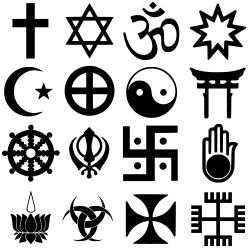
- Religion
- Animal Cruelty

- Language

- Drug abuse

- Realism
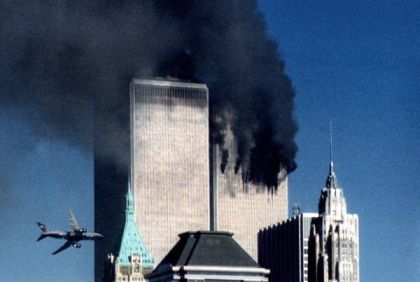
- Films that could potentially corrupt the young and influence people to commit violent acts.

Difference between a film Banned/Cut.
When a film is Banned it will then be removed from the cinema viewing due to harmful or offensive contents thats in the film. This is usually done solely to protect the public from any harmful material that they'll be exposed to watching the film.
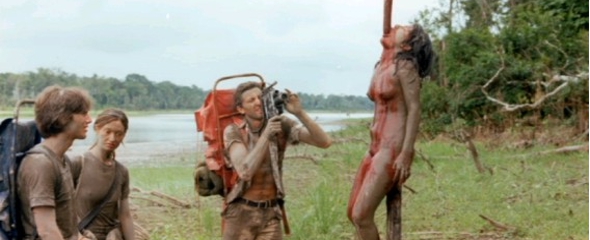
A example of a banned filmed is the Cannibal Holocaust is a Italian horror film that is banned to this day in over 50 different countries as the film material is seen as too disturbing.
When a film is sent to be Cut the film is then either edited to change certain scenes or just completely remove the scenes that are considered harmful. This is done to make the film more appropriate for public viewing.
The Exorcist eventually passed the British Board Of Film Censorship (BBFC) and was given a age rating of 18 however, the film wasn't available in the UK until 1990 when it finally got the all clear pass from the BBFC.
The Forna vs Kermode debate
Channel 4 broadcasted a short season of programmes about censorship. During these programmes some of them were a case fighting for censorship while others were fighting against censorship.
Aminatta Forna who is a Journalist and TV broadcaster was fighting for censorship.
While Mark Kermode the famous film critic was fighting against censorship.
Arguments Aminatta Forna came up with in her case for film censorship.
- Words and images that are used in some films can potentially stir racial hatred.
- Public associate themselves with different characters and some may even put themselves in the situation the character is in.
- Acts seen performed in different films can encourage people to carry out those acts in real life e.g. rape, robbery, murder.
- Film breaks down different barriers e.g. a film about a women getting raped then enjoying the rape.
Arguments that Mark Kermode came up with in his case against film censorship.
- As human beings we all know what is right and wrong in a film but we watch it anyway.
- Sex doesn't occur during the making of films so there's no need to censor it.
- everyone has different reactions to what they see.
- Policing films is impossible, films don't intend on encouraging people to commit crime acts instead they just show them realistic situations or events.
In my opinion, i support Aminita Forna argument as she looks at the long consequences and suggest a film without censorship could influence a lot of people to do what they see on screen. for example, robbery seen in films could be acted out in real life.
And also when most people are planning to go and watch a film they first watch the trailer and trailers don't reveal everything that the film contains.
Kermode's debate on the other hand, sounds like he is relating everything in the aspect of how he views thing instead of the audience. For example, he states since sex doesn't occur during a film, why censor it? this clearly suggest that he considered how the public may react to certain scenes.
Conclusion
This censorship lesson has really helped me get a better idea of what i want to create in my opening of a thriller sequence It has also made me aware of all the different contents that can cause a film to get banned or cut.
From Forna's and Kermode i was able to see both views of censorship then come to a formal decision on which one i support. In addition, looking at these two arguments i now have a better understanding on what some people may consider suitable and unsuitable and the effects it has on the audience.

Again, some good ideas to demonstrate your understanding of the BBFC and their role in the film industry. Well presented.
ReplyDeleteTo improve;
-is going through the BBFC a legal requirement for all films? Mention this in your introduction and state why
-provide a logo of the BBFC
-try and provide an example for each censorship reason
-more thriller specific information.What other thrillers have been banned and for what types of reasons.
- provide information on the Forna and Kemode debate.
-conclude with more depth. What do you need to consider in your own thriller?
Good changes have been made, well done. Some good examples have been included (however, make as many examples as you can thriller specific)
ReplyDelete-check spelling and grammar